Skip to content

Available for projects · Dodoma, Tanzania

Hi, I'm Japhet Malimbita.

System
Analyst

System Analyst with strong experience in enterprise architecture, public-sector modernization, and end-to-end systems delivery. I translate policy and operational needs into scalable technical designs that improve service quality and decision-making.

Projects

3

Delivered systems

Services

4

Core offerings

Insights

3

Published notes

Visitors

Visitors

Japhet Malimbita profile

Core Focus

System Architecture Design

Professional capability aligned with enterprise delivery outcomes.

Software Development

Professional capability aligned with enterprise delivery outcomes.

Integration (APIs, ESB, Government Systems)

Professional capability aligned with enterprise delivery outcomes.

Data Management Systems

Professional capability aligned with enterprise delivery outcomes.

Latest Updates

News, announcements, blogs, and entertainment from the portfolio.

View all updates
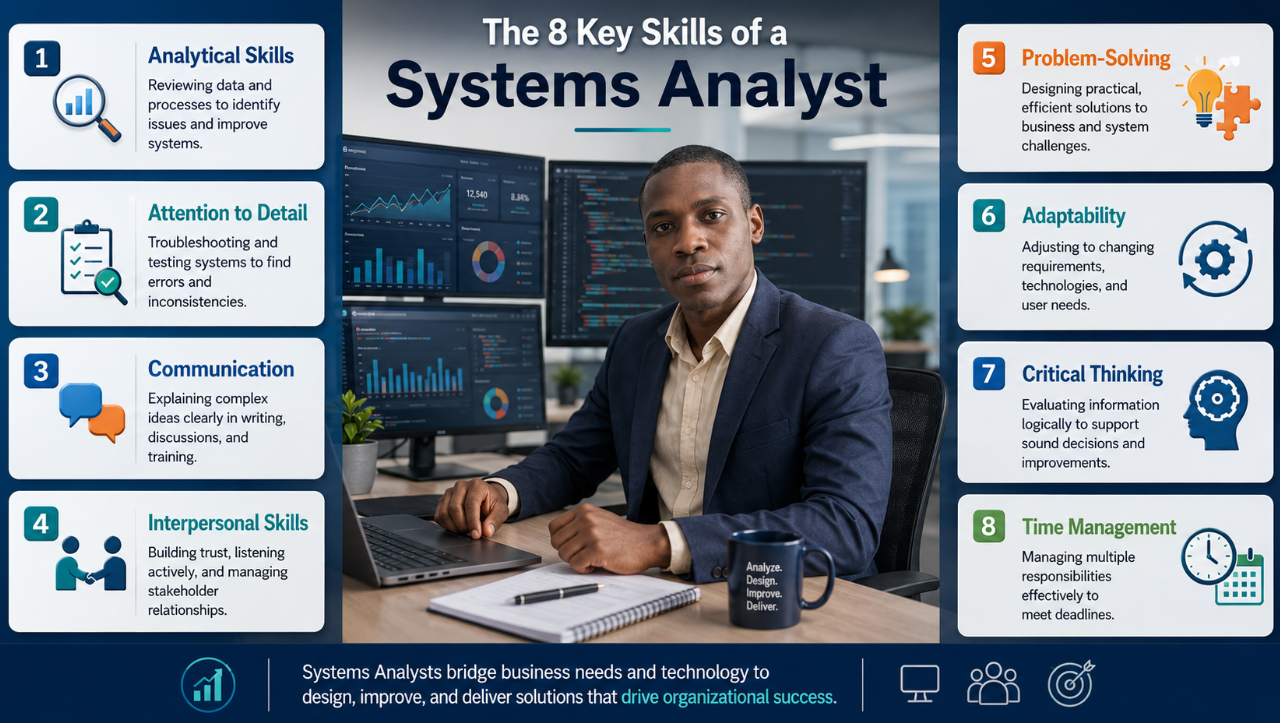
Core Competencies of a Systems Analyst in Driving Effective Digital TransformationBlog

July 5, 2026

Core Competencies of a Systems Analyst in Driving Effective Digital Transformation

In contemporary organizations, information systems are no longer viewed merely as technical tools for automating routine tasks. They have become strategic instruments for institutional transformation, operational efficiency, evidence-based decision-making, service improvement, and organizational competitiveness. Within this context, the role of a Systems Analyst is both technically significant and strategically essential.

Read more
UAT Bila Mrejesho wa Wakati: Mfumo Hauendi Live!News

June 1, 2026

UAT Bila Mrejesho wa Wakati: Mfumo Hauendi Live!

The public portfolio has been refreshed with a faster Next.js frontend, CMS-driven content, and a new updates section for news and announcements.

Read more
Architecture Sketch Session HighlightsEntertainment

June 5, 2026

Architecture Sketch Session Highlights

A quick look at a whiteboard session mapping service flows, actors, and integration touchpoints for a public-sector platform.

Read more
Open for Enterprise Consulting EngagementsAnnouncements

June 4, 2026

Open for Enterprise Consulting Engagements

Accepting new system analysis, architecture review, and digital transformation engagements for Q3 2026.

Read more
Why Integration Design Belongs With System AnalysisBlog

June 3, 2026

Why Integration Design Belongs With System Analysis

Strong system analysis should shape API contracts, data ownership, and service boundaries before development accelerates.

Read more
CMS Admin Now Supports Posters and NewsUpdates

June 2, 2026

CMS Admin Now Supports Posters and News

Editors can create, publish, and feature posters directly from the Laravel admin panel. Published items appear automatically on the homepage.

Read more

About Me

Driving Digital Transformation Through Smart Systems

System Analyst with strong experience in enterprise architecture, public-sector modernization, and end-to-end systems delivery. I translate policy and operational needs into scalable technical designs that improve service quality and decision-making.
See all
Profile

Japhet Malimbita

System Analyst

Key Strengths

System Architecture

Designing scalable, resilient enterprise systems.

API & ESB Integration

Seamless integration across platforms and services.

Data Management

Building reporting-ready and governed systems.

Digital Transformation

Driving innovation in public sector systems.

My Approach

  • 01 - Understand business needs deeply
  • 02 - Design scalable system architecture
  • 03 - Deliver secure and integrated systems
  • 04 - Continuously improve performance

What I Value

Integrity

Innovation

Excellence

Impact

Collaboration

Accountability

Service

Growth Mindset

Skills

See all

Analysis, modeling, and delivery disciplines that turn stakeholder needs into reliable systems.

01

Requirements Analysis

100%

Introduction In system development, success does not start with coding. It starts with understanding the real business problem, the users, the processes, the constraints, and the expected value of the solution. This is where Requirement Analysis becomes one of the most important skills for a System Analyst or Business Analyst. Requirement Analysis is the practice of studying, clarifying, organizing, validating, and documenting what a system should do and how it should support business objectives. It acts as a bridge between stakeholders who understand the business need and technical teams who design, build, test, and deploy the solution. A system may have modern technology, a good interface, and strong infrastructure, but if the requirements are not well understood, the system may fail to solve the actual problem. That is why Requirement Analysis is not just a documentation activity; it is a professional skill that directly influences system quality, usability, adoption, and long-term sustainability. What Requirement Analysis Means Requirement Analysis involves examining stakeholder needs and converting them into clear system requirements. These requirements may include functional requirements, non-functional requirements, business rules, workflow requirements, data requirements, integration needs, reporting needs, security expectations, and user role definitions. For example, when developing an information system, stakeholders may simply say, “We need a system to manage applications.” A System Analyst must go deeper and ask: Who submits the application? What information is required? Who reviews it? What happens when it is returned for correction? What approvals are needed? What notifications should be sent? What reports should be generated? What audit trail should be maintained?This deeper investigation is what turns a general idea into a structured and implementable system design. Why Requirement Analysis Is Important Requirement Analysis reduces ambiguity. Many system failures occur because users and developers understand the same requirement differently. A well-analyzed requirement removes confusion by clearly defining expected behavior, input, output, conditions, exceptions, and user responsibilities. It also improves communication between business and technical teams. Stakeholders may describe needs using business language, while developers require clear technical direction. Requirement Analysis translates business expectations into structured information that can guide design, coding, testing, and implementation. Another important value is risk reduction. Poor requirements can lead to rework, budget overruns, user dissatisfaction, and delayed implementation. When requirements are properly analyzed before development, many risks are identified early and addressed before they become costly.


02

Business Process Modeling

100%

Business Process Modeling is the structured approach of representing how an organization performs its business activities, workflows, decisions, roles, inputs, outputs, and interactions between different stakeholders or systems. As a system analyst, it helps to visualize the current way of working, identify business rules, understand dependencies, and document how tasks move from one actor, department, or system to another. This provides a clear foundation for understanding the business environment before proposing any digital solution or system improvement. In system analysis, Business Process Modeling supports the identification of process gaps, bottlenecks, duplication of effort, manual activities, delays, and control weaknesses. By using models such as flowcharts, swimlane diagrams, BPMN diagrams, activity diagrams, or process maps, the analyst can clearly separate responsibilities, decision points, approvals, data flows, and system touchpoints. This makes it easier for stakeholders to validate whether the documented process reflects the real business operation and whether the proposed system will address actual business needs. Business Process Modeling also plays a key role in system design and requirements definition. It enables the analyst to transform business operations into functional requirements, user roles, workflow rules, system modules, approval mechanisms, and reporting needs. A well-modeled business process ensures that the final system is not only technically correct, but also aligned with organizational objectives, operational procedures, governance requirements, and user expectations.

03

Data Analysis & Reporting

88%

Data Analysis & Reporting is the systematic process of collecting, organizing, examining, interpreting, and presenting data to support informed decision-making within an organization. As a system analyst, it involves understanding what data is required, where it comes from, how it flows across business processes, and how it can be transformed into meaningful information. This helps organizations move from raw data to useful insights that support planning, monitoring, performance measurement, and operational improvement. In system analysis, Data Analysis & Reporting helps identify key data entities, business rules, performance indicators, reporting requirements, data quality issues, and user information needs. The analyst works with stakeholders to define what should be measured, how often reports should be generated, what level of detail is required, and which users need access to specific information. This ensures that reports, dashboards, charts, summaries, and analytical outputs are relevant, accurate, timely, and aligned with business objectives. Data Analysis & Reporting also plays a critical role in system design because it informs database structures, data models, dashboards, filters, export options, visualization layouts, and decision-support features. A well-designed reporting framework enables management and users to monitor trends, compare performance, detect gaps, track progress, and make evidence-based decisions. It also improves transparency, accountability, and strategic planning by ensuring that reliable information is available to the right people at the right time.

04

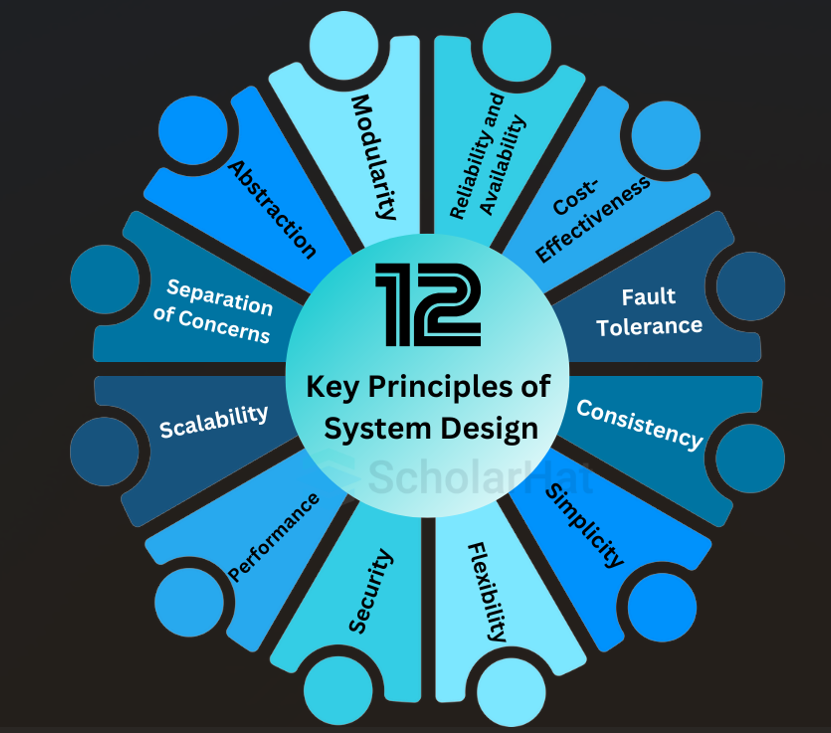
System Architecture & Design

93%

System Architecture & Design is the structured process of defining how a system will be organized, developed, integrated, secured, deployed, and maintained to meet business and technical requirements. As a system analyst, it involves translating business needs into a clear technical blueprint that shows the system components, user interfaces, databases, integrations, infrastructure, security controls, and communication flows. This ensures that the proposed solution is well-planned before development begins. In system analysis, System Architecture & Design helps establish the relationship between business processes and technology components. It defines how modules will interact, how data will move between different layers, how users will access system services, and how external systems or APIs will be integrated. Through architectural diagrams, logical designs, deployment models, data models, and component designs, the analyst ensures that all stakeholders understand how the system will operate from both functional and technical perspectives. System Architecture & Design also supports scalability, security, performance, maintainability, and long-term sustainability of the system. A well-designed architecture ensures that the system can support future enhancements, handle increasing users and data volume, protect sensitive information, and remain reliable under operational demands. It provides developers, database administrators, system administrators, and project stakeholders with a shared reference for building a solution that is technically sound, business-aligned, and ready for implementation.

Career Journey

System Analyst

2023 - Present

Leading enterprise system architecture and digital transformation initiatives.

Internship and Development

2022 - 2023

Built scalable government systems and API integrations.

University Student

2018 - 2021

Developed data-driven applications and reporting systems.

Project Case Studies

Real delivery outcomes, architecture choices, and measurable impact from implemented systems.

TCMS

TCMS

Teacher College Management System for admissions, finance, timetabling, and institutional reporting.

Impact

Automated core academic and administrative workflows across institutions.
PHPMySQLNginxBootstrap
View details
FDC-MIS

FDC-MIS

Monitoring and evaluation system for planning, execution tracking, and KPI-based performance review.

Impact

Enabled data-driven planning with executive-level reporting visibility.
LaravelVueMariaDBAPI Gateway
View details

Projects

See all

Selected systems and platforms delivered for institutional impact.

01

TCMS (Teacher College Management System)

Comprehensive management suite for admissions, academic records, and student lifecycle operations.

View details
02

FDC-MIS

Management information system for planning, monitoring, and evaluating facility-level development…

View details
03

Contract Management System (CoMIS)

End-to-end contract lifecycle platform from initiation to compliance tracking and renewal…

View details

My Services

See all

Professional services for scalable digital transformation programs.

01

System Design & Architecture

Blueprinting scalable platforms with clear integration and governance models.

View details
02

Web Application Development

Building secure, maintainable business applications tailored to operational needs.

View details
03

Digital Transformation Consulting

Guiding organizations through process digitization and technology adoption.

View details
04

Government System Integration

Connecting institutional systems with APIs, ESB layers, and regulatory platforms.

View details